How Do Dedicated Medical Facility Security Guards Reduce Workplace Violence Against Healthcare Personnel?
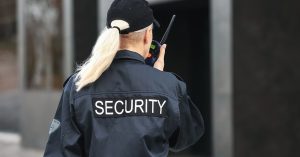
Healthcare workers face big stress and real danger at work every single day. Recent stats show that healthcare staff face almost 73 percent of all nonfatal job injuries from violence. Doctors, nurses, and team members spend their shifts saving lives. Yet, they often bump heads with upset visitors, angry patients, or sudden safety threats. Dedicated Dedicated medical facility security guards play a huge role in stopping these wild incidents before they blow up out of hand.
Keeping a clinic or hospital safe takes smart plans, quick action, and non-stop eyes on the floor. Let us look at how trained guards keep medical teams safe around the clock.
Why Is Workplace Violence Escalating in Healthcare Settings?
Hospitals are emotional pressure cookers where tempers often boil over fast. Family members show up stressed out, patients deal with tough health news, and emergency rooms run at full throttle. These high-pressure moments turn simple visits into risky situations real fast.
Long wait times and bad health news can make folks snap without warning. Open front doors make it hard to check every single person who walks through. Also, late-night shifts run with fewer staff members around, which leaves wide-open gaps for bad news to happen.
How Do Dedicated Security Guards Keep Hospitals Safe?
Putting trained guards on the floor flips the script from waiting for trouble to stopping it early. Instead of just reacting after a mess starts, guards build a strong wall of safety all across the building.
Guards spot bad vibes and stop trouble right in its tracks before things hit the fan. They see red flags like loud voices or pacing steps, and they jump in fast with calm words. They cool down hotheads, set firm rules, and keep minor squabbles from turning into full-blown fistfights.
A strong guard presence nips trouble in the bud before anyone acts up. Uniformed officers standing at the front door make unruly folks think twice before starting a scene. Guards check visitor badges at the desk, walk the halls to secure medicine rooms, and walk night staff safely out to their cars.
When push comes to shove, guards move lightning-fast to handle active threats. They answer panic buttons immediately, step between aggressive individuals, and clear out dangerous areas. Their fast moves keep staff members safe from harm and stop crazy situations from wrecking daily care.
What Special Capabilities Do Healthcare Guards Need?
Keeping a medical center safe takes way more skill than simple property patrols. Hospitals need sharp guards who know the ins and outs of medical safety rules.
| Security Function | Standard Guard Duties | Medical Facility Security Guard Duties |
| Primary Goal | Property protection & access control | Patient & staff safety, crisis intervention |
| Conflict Strategy | Physical removal or law enforcement call | Verbal de-escalation & trauma-informed care |
| Access Management | Gate checks & visitor logs | Rapid lockdown, triage security, HIPAA awareness |
| Regulatory Knowledge | General site safety rules | OSHA standards, Joint Commission compliance |
Specialized guard training focuses heavily on caring tone, patient rights, and fast threat response. Officers learn how to handle tough moments with empathy while staying super firm on ground rules. This special mix keeps patient dignity high while making safety the top goal.
These guards also master health privacy laws so they never leak sensitive patient details while working. They know how to handle folks dealing with mental health crises without making things worse. Their extra skills make them a true partner for the clinical team on shift.
How Do Guards Collaborate With Healthcare Teams?
Great safety comes down to seamless teamwork between guards and medical staff. Security officers work side-by-side with triage nurses, desk managers, and chief directors every single day.
Guards help out by joining quick morning huddles to share safety tips with team leads. They also stand by when staff must treat aggressive patients who might try to fight back. Plus, they run joint practice drills with nurses to prepare for worst-case scenarios.
This tight teamwork builds real trust across every floor in the building. When doctors and nurses know guards have their back, their daily stress drops big time. Happy staff members can focus on their actual job of fixing people up.
Secure Your Healthcare Personnel With Industry Leaders
Protecting your medical crew takes experienced, caring, and well-trained safety pros who know the job inside out. At Allied Nationwide Security, we deliver custom safety plans made just for busy healthcare spaces. Whether you need specialized security guards for medical facility emergency rooms or solid mall security services for nearby shopping hubs, our team is ready to step up and safeguard your people today.
Frequently Asked Questions
What training do medical facility security guards receive?
Guards learn verbal de-escalation, threat prevention, crisis response, CPR skills, and HIPAA privacy rules. They also practice hospital lockdown steps and safe physical moves to handle combative individuals without hurting anyone.
How do guards manage violent patients without disrupting medical care?
Guards use calm words and smart care steps to soothe angry patients down. If physical hold steps become necessary, they follow strict clinical rules alongside nurses to keep everyone safe from harm.
Can security guards assist with hospital lockdown procedures?
Yes, security guards run the entire lockdown process. They lock main doors, control entry points, watch cameras closely, and guide police or fire teams to keep the whole site totally safe during bad events.
Do security guards monitor parking areas and outdoor grounds?
Yes, guards run regular foot and car patrols across parking structures, paths, and ER driveways. They keep dark areas lit and safe while walking staff to cars during late night shifts.
How does having security guards lower liability for medical facilities?
On-site guards stop bad injuries, property loss, and safety violations before they happen. Their detailed shift reports help hospitals meet OSHA rules and pass official safety checks with flying colors.

Recent Blog Posts
- How Do Dedicated Medical Facility Security Guards Reduce Workplace Violence Against Healthcare Personnel?
- How Do Armed Guard Services Protect Financial Institutions and Critical Infrastructure Sites?
- How Do Integrated Physical and Digital Security Services Prevent Complex Facility Breaches?
- Mobile Patrols vs. Dedicated On-Site Coverage: Which Security Guard Services Fit Your Budget?
- When Should Your Organization Upgrade From Remote Monitoring to an On-Site Security Guard?