How Security Guards Handle Hospital Emergencies?
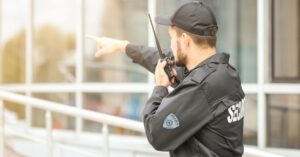
Hospitals are places of healing, but they can get incredibly hectic. Medical crises, upset families, and wild situations can throw a massive wrench into daily operations. Therefore, healthcare facilities need a solid defense plan to keep things running smoothly. Having professional hospital security guards on-site ensures that doctors and nurses can save lives without looking over their shoulders. These trained teams handle the chaos and squash disruptions before they get out of hand.
We all know that emotions run high when a loved one is sick. A busy waiting room can turn into a pressure cooker in a split second. Having an expert on the floor changes the whole game. It keeps the peace so the medical crew can focus on doing their actual jobs.
Keeping the Peace When Things Get Heavy
Emergency rooms are total magnets for sudden tension and high anxiety. Family members often feel completely overwhelmed, scared, or angry during a medical crisis. Sometimes, these raw feelings cause people to lash out at the medical staff.
Specialized guards act as the first line of defense against workplace violence. Their visible presence alone helps lower the temperature in crowded waiting areas fast. They watch visitor behavior like a hawk and step in the moment someone crosses the line. This fast action protects vulnerable doctors and nurses from physical harm and verbal abuse.
Why Basic Watchmen Just Do Not Cut It
Medical hubs have strict rules and unique setups that normal office buildings do not share. For this reason, standard protection plans always fall flat in a medical zone. You need a team that truly knows hospital rules, patient privacy laws, and crisis control inside and out.
They must handle sensitive situations with care instead of just throwing their weight around. From avoiding biohazards to protecting patient charts, these pros do it all. They bring the right skills to the table to keep your facility completely safe and legal.
| Safety Feature / Criteria | Basic Security Watchman | Specialized Healthcare Guard |
| Privacy Awareness | Little to none; risks legal issues | High; trained to protect patient identity |
| Crisis Control | Relies on force; escalates easily | Highly trained in verbal calming tactics |
| Biohazard Knowledge | No training on medical waste dangers | Trained to avoid contamination zones |
| Access Control Skill | Basic lock-and-key door checks | Advanced biometric and digital tracking |
Running a Tight Ship During a Crisis
When a major emergency strikes, guards follow a strict, step-by-step system to lock things down. First, they spot the source of danger and clear regular folks away from the scene immediately. They secure nearby hallways to contain the problem before it spreads to other wings.
Next, they use smart verbal tricks to calm the angry person down without a physical fight. They talk directly with the head nurses to keep patient safety on track at the same time. Finally, they lock the outside doors if needed and hand the situation over to the local police smoothly.
Handling the Wildest Mental Health Moments
Hospitals frequently admit patients who are having severe mental health crises or drug drug-induced episodes. These individuals can lose their cool, try to hurt themselves, or smash expensive medical gear. They present a major wildcard that regular hospital staff cannot handle alone.
Trained hospital security guards know how to handle these delicate situations with total professionalism. They help the clinical crew by safely holding combative patients when doctors give the green light. Their main goal is always to protect the patient from self-harm while keeping the nurses totally safe.
Locking Down the Back Doors and Gates
A modern hospital is a massive public building with tons of side doors, loading docks, and pharmacy rooms. Pricey medications, tiny infants, and private patient data need a foolproof shield around the clock. You cannot let random people wander into restricted areas whenever they feel like it.
Guards fix this issue by running tight access control checkpoints across the entire property layout. They check worker ID badges at staff doors and sign visitors in at the front desk. This careful watching stops thieves, intruders, and sketchy characters from slipping into private medical wings.
Let Us Protect Your Healing Environment
Keeping a medical facility safe and calm requires a seasoned partner who really knows the ropes. At Allied Nationwide Security, Inc., we deliver top-notch, custom safety plans built for the unique pressures of modern healthcare. From smart digital patrol tracking to compassionate crisis control, our security service keeps your patients, staff, and assets fully protected. Call our friendly team today to book your site check and get a free price quote.
We stand ready to handle the stress of safety so your medical team can focus on saving lives. Do not wait for a major incident to disrupt your peace of mind. Let us protect your property today.
Frequently Asked Questions
What is the main role of guards during a hospital lockdown?
During a lockdown, guards immediately lock all outside doors and gates tightly. They watch the live camera feeds for threats and stop random people from moving around. They also guide patients and staff to safe zones inside the building.
How do healthcare guards handle patient privacy laws?
Professional guards get specific training regarding strict medical privacy laws. They never talk about patient conditions, share names, or allow random photos on the property. This strict discipline keeps the hospital fully compliant with federal rules.
Are hospital security officers allowed to use physical restraint?
Guards only use physical hold techniques when a person is an immediate danger to themselves or others. They follow strict hospital rules and clinical steps. They work hand-in-hand with doctors to ensure everything stays safe and legal.
How do security teams help manage parking lot safety at hospitals?
Guards run regular car and foot patrols through dark hospital parking structures. They look out for car break-ins, give visitors quick directions, and walk night-shift workers to their cars safely. This outdoor presence scares away criminals easily.

Recent Blog Posts
- Why Businesses Prefer Local Security Guard Companies?
- How Mobile Patrol Services Improve Construction Site Safety?
- Best Ways to Find Qualified Private Security Guards
- Why Choose 24/7 Unarmed Security Guard Services?
- Why Security Guards Are Essential for Home Protection?
Categories
- Allied Nationwide Security is ready to help create a secure and welcoming shopping space.
- and property every day. If safety matters to you
- Armed Guard
- armed security guard
- best security guard companies
- business complex security guards
- CA help protect people
- California security guards
- construction site security
- Construction Site Security Guard