-
-
-
Headquarters: 7116 Valjean Ave, Van Nuys, CA 91406
What are the Top 5 De-escalation Skills Every Unarmed Guard Must Have in 2026?
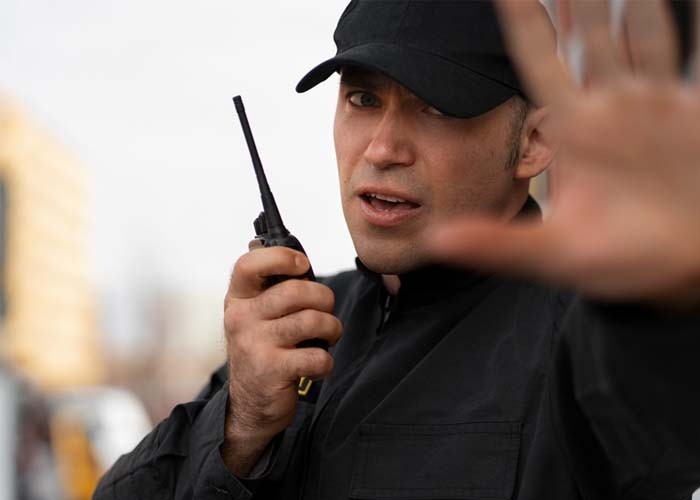
Being an unarmed guard isn’t just about standing around looking serious. Sometimes, you have to deal with people who are upset, angry, or even a little out of control. Knowing how to calm them down safely is a huge part of the job. If a guard can handle tense situations without things getting physical, everyone stays safer. Learning the right de-escalation skills is super important, and these five skills are what every unarmed guard needs to master in 2026.
Keep Your Cool No Matter What
The first thing any guard needs is the ability to stay calm. When someone is yelling or acting aggressive, it’s easy to feel nervous or angry too. But losing your cool can make things worse.
Take a deep breath. Step back if you need space. Speak slowly and clearly. Showing that you are calm makes it easier for the other person to calm down too. Even small things, like not fidgeting or rolling your eyes, help. A calm guard is a confident guard.
Listen Like You Mean It
Most people just want to be heard. When someone is upset, listening can go a long way. Don’t interrupt. Nod and let them know you understand.
This is called active listening. It shows respect and can stop someone from getting more frustrated. When an unarmed guard listens carefully, they can also pick up clues about what’s making the person angry. That way, they can act smarter and keep the situation from getting worse.
Talk Clearly and Respectfully
Words matter more than you might think. A lot of times, people get defensive because they feel judged or threatened.
Use short, simple sentences. Don’t yell or use sarcasm. For example, saying “Please step back for your safety” works much better than “Move now!” Offering choices also helps people feel in control, which can calm them down. Good communication is one of the top skills for any unarmed guard.
Watch Your Body Language
What you do with your body says a lot. If you cross your arms or stare too hard, it can make people more upset.
Stand straight but relaxed. Keep your hands visible. Give the person enough space so they don’t feel trapped. Eye contact should be steady but gentle. Simple gestures like slowly raising a hand to pause someone can work wonders. Knowing how to use non-verbal signals is a skill every unarmed guard should practice daily.
Know When to Call for Help
Even the best guards can’t handle everything alone. Sometimes, a situation is too risky.
An unarmed guard should always watch for signs that backup is needed. If someone is threatening others or getting physically aggressive, it’s time to call for extra help. Knowing when to involve supervisors or law enforcement can prevent injuries and keep everyone safe. Remember, asking for help isn’t a weakness—it’s smart.
De-escalation vs Physical Action
| Risk Level | Low | High |
| Tools Needed | Words, listening, calm behavior | Restraints, self-defense tools |
| Best Use | Everyday problems | Extreme situations |
| Training Needed | Medium (soft skills) | High (tactical training) |
| Result | Prevents fights | Stops fights after they start |
Ready to Boost Safety and Confidence with Skilled Security Professionals?
Being an unarmed guard isn’t just about showing up and keeping an eye out. It’s about knowing how to calm people, listen, communicate, and act smart when things get tricky. Mastering these de-escalation skills makes the job safer and more effective.
At Allied Nationwide Security, Inc. we train our team to handle situations safely and professionally. Whether it’s an unarmed or armed guard, having these skills ensures confidence and protection on the job. If you want reliable security services handled with care and control, reach out to us today to get the right team for the job.
Frequently Asked Questions
Why are de-escalation skills important for unarmed guards?
De-escalation skills help unarmed guards prevent conflicts from becoming violent, protect themselves, and maintain safety for everyone on-site. They reduce liability and improve professional handling of tense situations.
Can de-escalation completely replace physical intervention?
Not always. While it minimizes confrontations, there are scenarios where backup or physical intervention by an armed guard may be necessary to ensure safety.
How can unarmed guards practice de-escalation skills?
Training programs often include role-playing scenarios, communication exercises, stress management techniques, and observation drills. Regular practice is essential to stay sharp.
Do non-verbal cues really work in de-escalation?
Yes. Non-verbal cues like open posture, calm gestures, and controlled eye contact can significantly influence a person’s behavior and reduce tension.
What’s the biggest mistake unarmed guards make in high-pressure situations?
Reacting emotionally, using aggressive language, or ignoring warning signs can escalate conflicts. Staying calm, observing, and knowing when to call for backup is critical.
