What Are the Benefits of Hiring Medical Facility Security Services?
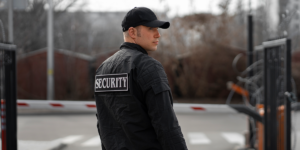
Hospitals and clinics must stay safe to protect sick patients. However, high-stress places can face sudden break-ins, theft, or loud fights. Because of these unique dangers, healthcare bosses must put safety first. Investing in specialized medical facility security services helps save pricey gear, protect private data, and keep daily order. This smart move ensures that doctors and nurses can focus on saving lives without worrying about their own safety.
Why Do Healthcare Centers Need Specialized Protection?
A medical building is completely different from a standard business office. It features open doors, constant foot traffic, and highly emotional visitors. These facts create unique weak spots that need expert eyes around the clock.
Hospitals hold millions of dollars in advanced medical technology. MRI machines and specialized tools cost a pretty penny to replace.
Plus, hospital pharmacies store high-value prescription drugs that attract seasoned criminals. Implementing robust medical facility security services stops bad guys from slipping into restricted supply rooms.
Patient privacy is also protected by strict federal laws. If a bad actor walks away with a hospital laptop, your facility faces massive fines.
Physical safety steps work hand-in-hand with your tech defense. Trained officers guard data rooms and log visitors to stop data theft before it happens.
How Security Personnel Keep the Peace When Tempers Flare
Medical emergencies cause immense stress for families. When people get bad news, panic or anger can take over in a split second. Security teams serve as a stabilizing force to keep everyone safe.
Trained guards know how to read body language and use smart talking skills. They spot aggressive behavior in waiting rooms early. By jumping in calmly, they nip trouble in the bud before a verbal argument turns into a physical brawl.
| Healthcare Security Focus | Core Protective Action | Direct Operational Benefit |
| Emergency Room Entry | Constant monitoring and visitor screening | Protects frontline nurses from sudden violence |
| Pharmacy & Drug Storage | Strict access control and biometric checks | Prevents narcotics theft and internal shrink |
| Infant Ward Perimeter | Automated electronic lock supervision | Stops unauthorized removal of minors |
| Outer Parking Structures | Scheduled foot and vehicle patrols | Deters car break-ins and protects staff at night |
Having a dedicated security team on the floor ensures that medical staff can treat patients without facing scary threats or physical harm.
Managing Massive Crowds Without Breaking a Sweat
During a big health crisis, a huge wave of people floods the hospital. Without a clear plan, front doors get completely blocked, stopping critical care.
Guards manage the flow of traffic by checking IDs and handing out visitor passes at the door. This screening keeps random loiterers out of quiet treatment zones. It also keeps visitor counts at a safe level for the facility.
When an ambulance rolls up, every single second counts. Frantic visitors often park their cars in delivery lanes or ambulance bays out of pure panic. Security officers direct traffic continuously to keep these vital lanes completely clear.
Step-by-Step: Restricting Access to High-Risk Zones
Locking down sensitive areas takes a simple, step-by-step plan. Guards follow precise rules to secure the property without stopping emergency medical care.
First, the security team checks the building layout to find every single entry point.
Next, they put electronic badge locks on doors leading to infant wards, pharmacies, and server rooms.
Then, officers watch these access points using high-definition cameras hooked up to a central command room.
Finally, guards check the visitor logs daily to ensure no random person bypassed the checkpoints.Let’s Build a Safer Healing Environment Together
Protecting a healthcare building takes deep knowledge, sharp eyes, and absolute empathy. Do not wait for a bad equipment theft or a violent waiting room fight to expose your gaps. Our professional teams know how to manage crowds, calm angry people, and watch fences to keep your medical staff perfectly safe.
To maximize safety across your whole campus, using specialized medical facility security guards ensures that your parking lots, labs, and main lobbies stay completely safe around the clock. Contact Allied Nationwide Security today to plan a full physical risk check, and let us protect your peace of mind.
Frequently Asked Questions
Why can’t regular building guards protect a medical facility?
Medical settings present unique risks like biohazards, medical codes, and highly emotional guests. Regular guards lack the special training needed to handle psychiatric emergencies and specific hospital crisis rules safely.
How do security services reduce workplace violence for nurses?
Guards keep a strong visual presence in high-stress zones like the ER waiting room. They watch patient behavior, step in at the first sign of verbal abuse, and safely hold aggressive people when necessary.
What is the role of security during a hospital lockdown?
During a lockdown, guards flip electronic switches to lock doors and isolate specific wings right away. They secure all main exits, check people trying to leave, and work directly with local police to stop the threat.
Do medical security teams know how to handle hazardous materials?
Yes. Professional healthcare guards get basic training on biohazard risks and chemical spills. They know how to close off a dirty area, move nearby patients out, and clear paths for specialized cleanup crews safely.

Recent Blog Posts
- Why Hire Armed Guards for Business Security?
- How Security Guards Handle Hospital Emergencies?
- How Security Guards Protect Commercial Properties?
- Why Do Businesses Need Professional Security Guards?
- How Security Companies Help Prevent Risks?
Categories
- Allied Nationwide Security is ready to help create a secure and welcoming shopping space.
- and property every day. If safety matters to you
- Armed Guard
- armed security guard
- best security guard companies
- business complex security guards
- CA help protect people
- California security guards
- construction site security
- Construction Site Security Guard

